
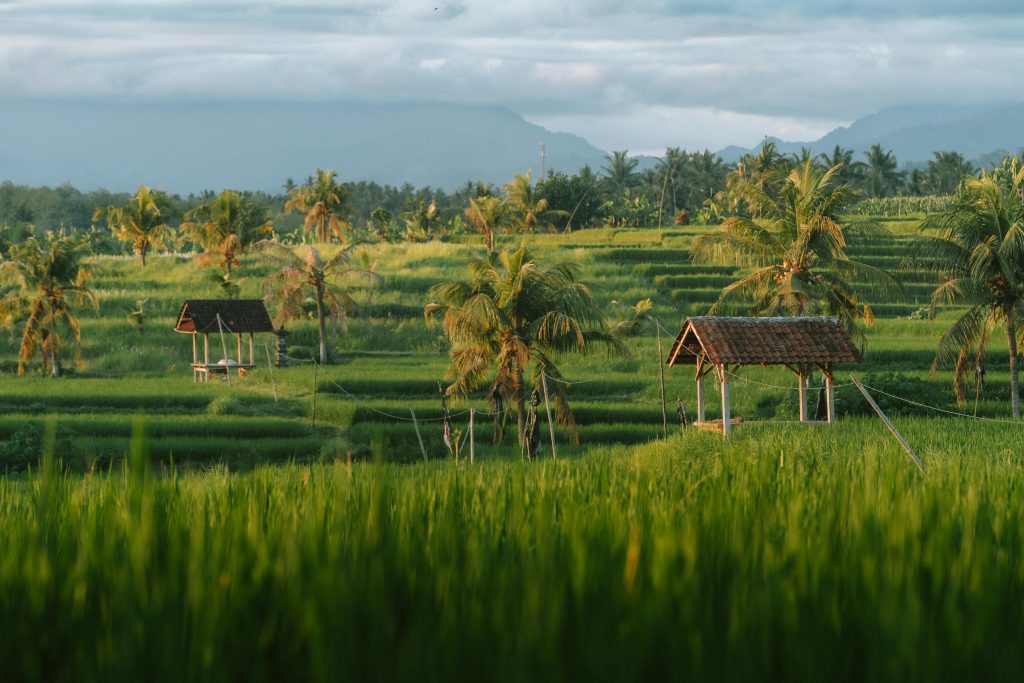
Iran, a leading global producer of dates, has a rich history intertwined with the cultivation of this ancient fruit. However, the industry is not resting on tradition alone. Modern challenges, such as climate change, resource management, and the growing global demand for sustainably produced food, have prompted Iranian farmers and agricultural experts to embrace innovation. This article delves into the advancements shaping the future of Iranian dates, focusing on sustainable practices and cutting-edge farming techniques.
The Current Landscape of Iranian Dates Farming
Iran’s Role in the Global Dates Industry
• Production Rank: Iran is among the top three producers of dates worldwide.
• Key Varieties: Renowned for its diversity, Iran offers premium types such as Mazafati, Piarom, Kabkab, and Sayer.
• Export Markets: Iranian dates reach over 70 countries, with growing demand in Europe, Asia, and North America.
Despite its success, the industry faces challenges, including water scarcity, rising production costs, and the need for eco-friendly farming solutions.
Innovations Transforming Iranian Dates Farming
1. Water-Saving Irrigation Techniques
With many date-growing regions located in arid climates, water efficiency is critical. Iranian farmers are adopting modern irrigation systems to minimize water waste:
• Drip Irrigation: Delivers water directly to the root zone, reducing evaporation.
• Subsurface Irrigation: Prevents water loss by supplying moisture underground.
• Remote Monitoring: Sensors and IoT technologies are used to monitor soil moisture and adjust irrigation schedules in real time.
2. Organic and Chemical-Free Farming
Global consumers increasingly demand organic products. Iranian farmers are responding by:
• Eliminating harmful pesticides in favor of biological pest control.
• Using natural composts to enrich the soil and reduce dependence on synthetic fertilizers.
• Obtaining organic certifications to appeal to health-conscious markets.
3. Solar-Powered Farms
Sustainability is being prioritized with solar energy powering irrigation pumps, processing units, and cold storage facilities.
• Reduces dependency on fossil fuels.
• Helps meet carbon emission reduction goals.
Sustainability at the Core of Iranian Date Production
1. Biodiversity Preservation
Many date plantations in Iran integrate biodiversity by planting:
• Shade-Giving Trees: To prevent soil erosion and maintain temperature balance.
• Intercropping Systems: Growing vegetables or legumes alongside date palms, enhancing soil fertility and providing extra income for farmers.
2. Reducing Post-Harvest Waste
Efforts to minimize waste have been gaining momentum:
• Improved Storage Solutions: Introducing temperature-controlled storage to reduce spoilage.
• Byproduct Utilization: Creating value-added products like date syrup, date seed coffee, and animal feed from processing leftovers.
3. Fair Trade Practices
Sustainability extends beyond environmental efforts, encompassing social responsibility. Initiatives include:
• Ensuring fair wages and working conditions for farm laborers.
• Supporting rural communities with infrastructure, education, and healthcare.
Innovative Uses of Technology
1. Precision Agriculture
Farmers are utilizing data-driven technologies to optimize date production:
• Satellite Imaging: Monitors crop health and detects diseases early.
• Drones: Aid in aerial surveys for mapping and pest control.
• AI Tools: Predict yield and market trends, helping farmers plan better.
2. Blockchain for Traceability
Consumers are increasingly interested in knowing the origin of their food. Blockchain technology is being implemented to:
• Track dates from farm to table.
• Ensure authenticity and quality standards.
3. Smart Packaging
Innovative packaging solutions include:
• Biodegradable Materials: Reduces plastic waste.
• QR Codes: Provide product details, including origin, certifications, and suggested uses.
Global Market Trends Shaping the Future
1. Growing Demand for Plant-Based Diets
The rise in veganism and health-conscious eating has boosted the popularity of dates as a natural sweetener and energy source. Iranian producers are:
• Expanding their product lines with date-based snacks, bars, and syrups.
• Targeting niche markets, including organic and gluten-free consumers.
2. E-Commerce Expansion
Direct-to-consumer platforms and online marketplaces are helping Iranian dates reach global consumers. Innovations in logistics and packaging are ensuring freshness in international markets.
Challenges and Opportunities
Challenges
• Climate Change: Rising temperatures and water shortages pose a significant risk.
• Competition: Increased global production requires Iranian dates to stand out in quality and sustainability.
Opportunities
• Research and Development: Continued investment in agricultural research can address productivity challenges.
• Eco-Tourism: Promoting date-growing regions as destinations for tourists interested in sustainable farming.
The Road Ahead
Iran’s date industry is at a crossroads, combining traditional knowledge with modern practices to secure its future. The focus on sustainability and innovation not only meets global market demands but also safeguards the environment and supports local communities.
Conclusion
The future of Iranian dates lies in balancing tradition with technological advancements. By prioritizing sustainable practices and embracing innovation, the industry is poised to thrive in a competitive global market. From water-saving irrigation systems to blockchain traceability, these efforts ensure that Iranian dates remain a symbol of excellence and environmental stewardship.
For businesses and consumers alike, investing in Iranian dates means supporting a forward-thinking industry committed to quality, sustainability, and innovation.
