
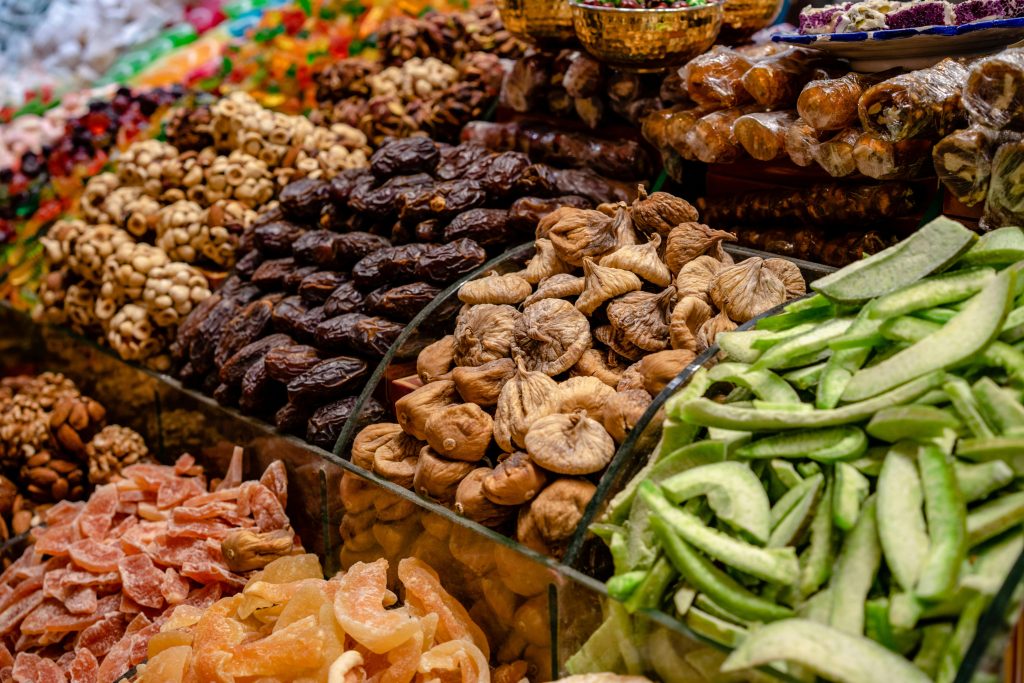
Iran, as one of the largest producers and exporters of dates globally, has a thriving date industry that significantly supports rural economies. From creating jobs to boosting infrastructure and empowering women, the production and trade of dates contribute to the well-being of countless local communities. This article delves into the economic and social ripple effects of date production in Iran, highlighting its profound impact on rural development.
An Overview of Iran’s Date Industry
Global Standing
• Production Rank: Iran is the second-largest producer of dates in the world, accounting for over 15% of global production.
• Export Leader: Iran exports dates to more than 80 countries, including India, Turkey, and the European Union.
• Economic Contribution: The date industry generates millions of dollars annually in revenue, playing a critical role in the country’s agricultural GDP.
Regional Significance
The southern provinces of Kerman, Khuzestan, Hormozgan, Sistan and Baluchestan, and Bushehr are hubs for date farming. These regions rely heavily on the date industry for economic stability.
Job Creation and Employment Opportunities
1. Jobs in Date Farming
• Seasonal and Permanent Jobs: Date production employs a mix of seasonal laborers for harvests and permanent staff for plantation maintenance.
• Family-Owned Farms: Many small-scale farms are family-run, creating employment for multiple generations.
• Diverse Roles: Roles range from planting and irrigation to pruning, harvesting, and packaging.
2. Employment in Processing and Packaging
• Iran’s date industry includes processing plants where dates are cleaned, graded, and packaged for local and international markets.
• Value-Added Products: Processing dates into syrups, pastes, and snacks generates additional jobs.
3. Opportunities in Export Logistics
• The export sector employs workers in transportation, customs clearance, and marketing, further extending the industry’s economic reach.
Empowering Rural Women through Date Production
1. Inclusive Workspaces
• Many women are employed in sorting and packaging facilities, providing them with financial independence.
• Women also play a significant role in small-scale artisanal production, such as making date-based desserts and traditional medicines.
2. Skills Development
• Initiatives in rural areas provide women with training in value-added production, boosting their income potential.
• Empowering women contributes to broader community development and social equity.
Infrastructure Development in Rural Areas
The growth of the date industry has spurred infrastructure improvements in rural areas:
1. Transportation Networks
• Road Development: Enhanced road networks facilitate the transportation of dates from farms to processing plants and export hubs.
• Cold Storage Facilities: Investments in cold storage ensure the preservation of perishable date varieties like Mazafati.
2. Irrigation Systems
• The industry funds irrigation projects, such as modern drip irrigation systems, improving water efficiency and crop yields.
3. Access to Technology
• Many rural communities now have access to agriculture-focused technologies, such as drones and soil sensors, improving productivity.
Boosting Local Economies
1. Supporting Small Businesses
• Local entrepreneurs thrive by selling date-based products such as date syrups, energy bars, and confectioneries.
• Rural markets see increased trade and activity during harvest seasons.
2. Diversification of Income
• Many farmers supplement their incomes by offering agritourism experiences, such as date farm tours and workshops.
3. Economic Resilience
• The consistent demand for dates in both domestic and international markets provides rural communities with a stable income source, even during economic downturns.
Sustainability and Long-Term Benefits
1. Environmentally Friendly Practices
• Traditional irrigation techniques like qanats minimize water waste.
• Organic farming practices reduce reliance on chemical fertilizers, preserving soil health for future generations.
2. Youth Engagement
• The date industry increasingly attracts younger generations, offering modern job opportunities in technology-driven farming and digital marketing.
3. Preventing Urban Migration
• By providing sustainable livelihoods, the date industry discourages rural residents from migrating to cities, preserving community structures.
Challenges Faced by Local Communities
1. Climate Change
• Rising temperatures and irregular rainfall threaten date yields.
• Investments in climate-resilient date varieties are crucial.
2. Market Volatility
• Fluctuating global prices for dates can impact farmers’ incomes.
• Supporting local cooperatives helps stabilize prices and protect small-scale producers.
3. Limited Access to International Markets
• Reducing trade barriers and improving marketing strategies can unlock new opportunities for Iranian dates in global markets.
Future Prospects for the Date Industry in Iran
1. Expanding Value-Added Products
• Encouraging the production of date-based products such as organic energy bars and cosmetics can increase revenue.
2. Enhancing Global Branding
• Promoting Iranian dates as a premium product through certifications and branding can attract higher-paying international markets.
3. Government and NGO Support
• Policies that provide subsidies for farmers, invest in infrastructure, and facilitate global trade can further strengthen the date industry’s impact.
Conclusion
The date industry in Iran is more than an agricultural endeavor; it is a lifeline for countless rural communities. From creating jobs to empowering women and enhancing infrastructure, date production fuels economic growth and fosters social development.
By addressing challenges and investing in sustainable practices, Iran can ensure that its date industry continues to thrive, benefiting local communities and strengthening its position as a global leader in date production.
For anyone looking to support ethical and high-quality agriculture, Iranian dates are a testament to the power of tradition, community, and innovation.
