
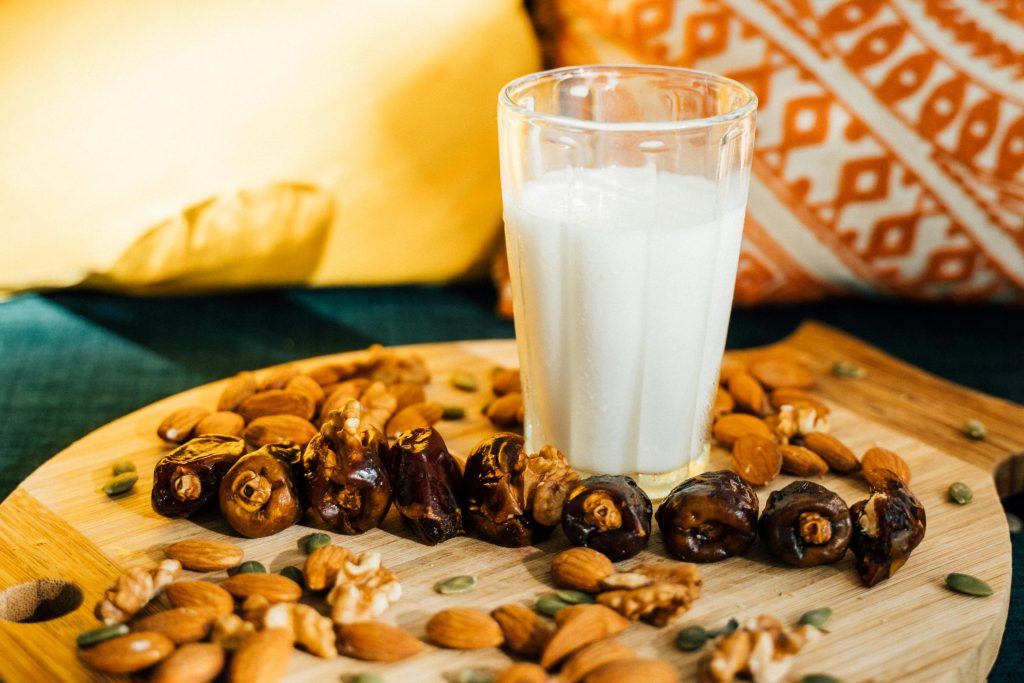
In recent years, the importance of a balanced diet has become more prominent, and people are increasingly looking for nutrient-dense, natural foods to complement their eating habits. Dates, often considered nature’s candy, are a perfect example of a wholesome food that can be incorporated into a variety of diets. Rich in essential vitamins, minerals, and fiber, dates offer numerous health benefits that cater to a wide range of dietary preferences, including plant-based, ketogenic, paleo, and gluten-free diets.
In this article, we will explore the numerous benefits of adding dates to different diets and how they can support a healthy lifestyle.
1. Nutritional Profile of Dates
Before diving into the specifics of dates in various diets, it’s important to understand the nutritional powerhouse that dates represent. A single serving (100 grams) of dates contains:
Energy: 277 calories
Carbohydrates: 75 grams
Fiber: 7 grams
Natural Sugars: 63 grams (fructose and glucose)
Protein: 2 grams
Vitamins and Minerals: Potassium, magnesium, copper, manganese, vitamin B6, and iron
Dates are naturally sweet and rich in fiber, which makes them not only a great energy booster but also beneficial for digestive health and heart function.
2. Dates in a Plant-Based or Vegan Diet
Why They’re Perfect:
For those following a plant-based or vegan diet, dates are an excellent source of energy, natural sweetness, and vital nutrients. They can be used to sweeten recipes without added sugar, and their natural fiber content supports gut health—a common area of concern for many plant-based dieters. Dates are also packed with antioxidants, helping to reduce inflammation and oxidative stress.
Benefits:
Natural Sweetener: Dates can replace refined sugar in recipes, offering a nutritious alternative to processed sweeteners.
Iron and B6 Boost: Plant-based diets can sometimes be low in iron and vitamin B6, but dates provide a healthy source of these nutrients, which are important for red blood cell production and brain function.
Easy Snacking: Dates are an ideal on-the-go snack for vegans, providing an energy-dense option without any animal products.
How to Use:
Blend dates into smoothies, use them as a binder in energy bars, or chop them up and add to salads or plant-based desserts like vegan brownies and cakes.
3. Dates and the Ketogenic Diet
Considerations:
At first glance, dates may seem too high in carbohydrates for a ketogenic (low-carb, high-fat) diet. However, if consumed in moderation, dates can be a useful part of the keto diet. Their high fiber content can help slow the release of sugars, minimizing spikes in blood sugar levels, which is important for those following a keto plan.
Benefits:
Fiber for Digestive Health: Dates are rich in soluble fiber, which aids digestion and helps prevent constipation—a common issue for those on low-carb diets.
Nutrient-Rich Carb Source: When carbs are restricted, every carbohydrate you consume should be nutrient-dense. Dates, though high in carbs, are packed with vitamins and minerals, making them a more nutrient-dense choice compared to processed carbs.
How to Use:
Incorporate dates sparingly into keto-friendly desserts or snacks, such as fat bombs, or use small amounts as natural sweeteners in keto baking.
4. Dates in the Paleo Diet
Why They Work:
The paleo diet focuses on consuming foods that were available to our hunter-gatherer ancestors—whole, unprocessed, and nutrient-dense foods. Dates fit perfectly into the paleo framework because they are naturally occurring fruits and have been consumed for thousands of years.
Benefits:
Energy Boost: Dates provide a quick source of natural energy, ideal for those who follow an active paleo lifestyle.
Antioxidant Power: Packed with polyphenols, dates help fight inflammation and oxidative stress, supporting overall health.
Mineral-Rich: Dates are a great source of potassium, magnesium, and iron, all of which are crucial for bodily functions like muscle contraction, heart health, and oxygen transport.
How to Use:
Add dates to paleo energy bars, mix them into nut butters, or enjoy them as a natural sweetener in paleo-friendly desserts.
5. Dates and the Gluten-Free Diet
Why They’re Ideal:
For individuals with gluten intolerance or those following a gluten-free diet, dates are naturally gluten-free and provide a versatile ingredient that can add sweetness, texture, and flavor to gluten-free recipes.
Benefits:
Natural Gluten-Free Sweetener: Dates can be used as a substitute for processed sugars in gluten-free baking, making them a healthier and more flavorful option.
Digestive Aid: The fiber content in dates helps improve digestion, which is particularly beneficial for those with gluten sensitivities that can cause digestive discomfort.
Mineral-Rich: For those on restrictive gluten-free diets, dates provide key minerals like potassium and magnesium that support overall health and well-being.
How to Use:
Use date paste as a sweetener in gluten-free cakes, muffins, and breads. They can also be blended into smoothies or used to sweeten gluten-free sauces and dressings.
6. Dates and the Mediterranean Diet
Why They’re Essential:
The Mediterranean diet is well-known for its focus on fruits, vegetables, whole grains, and healthy fats. Dates, as a naturally sweet and fiber-rich fruit, are a perfect fit for this diet.
Benefits:
Heart Health: Dates are rich in potassium, which is essential for maintaining healthy blood pressure and supporting heart health—both key goals of the Mediterranean diet.
Natural Sugar Substitute: Dates offer a more wholesome alternative to refined sugars, making them perfect for sweetening Mediterranean-style desserts without compromising health.
Boosted Antioxidants: The high antioxidant content of dates complements the Mediterranean diet’s focus on anti-inflammatory and heart-healthy foods.
How to Use:
Enjoy dates as part of a fruit platter with nuts, olives, and cheese, or use them to sweeten Mediterranean desserts like date-filled pastries.
7. Dates in an Active or Athletic Diet
The Athlete’s Power Snack:
Dates are a fantastic choice for those who follow an active lifestyle or have high energy needs. Whether you’re training for a marathon or hitting the gym regularly, dates provide a quick and efficient source of natural energy due to their high carbohydrate content and fast-absorbing sugars.
Benefits:
Energy Boost: With 63 grams of natural sugar per 100 grams, dates provide an instant energy source for athletes during or after workouts.
Muscle Recovery: The potassium and magnesium in dates aid in muscle recovery and help prevent cramping, making them an excellent post-workout snack.
Sustained Energy: The combination of fiber and natural sugars ensures a steady release of energy, preventing the sudden spikes and crashes associated with other sugary snacks.
How to Use:
Pack dates as a pre-workout snack, blend them into post-workout smoothies, or mix them into energy balls along with nuts and seeds for sustained energy.
Conclusion
Dates are an incredibly versatile and nutritious food that fits into a variety of diets, from plant-based to ketogenic, paleo, gluten-free, and Mediterranean. Their rich nutrient profile, natural sweetness, and countless health benefits make them a valuable addition to any diet. Whether you’re looking for a quick energy boost, a natural sweetener, or a fiber-rich snack, dates are a superfood worth incorporating into your daily routine.
By understanding how dates can complement various eating plans, you can enjoy their delicious flavor while reaping the many health benefits they offer.
