
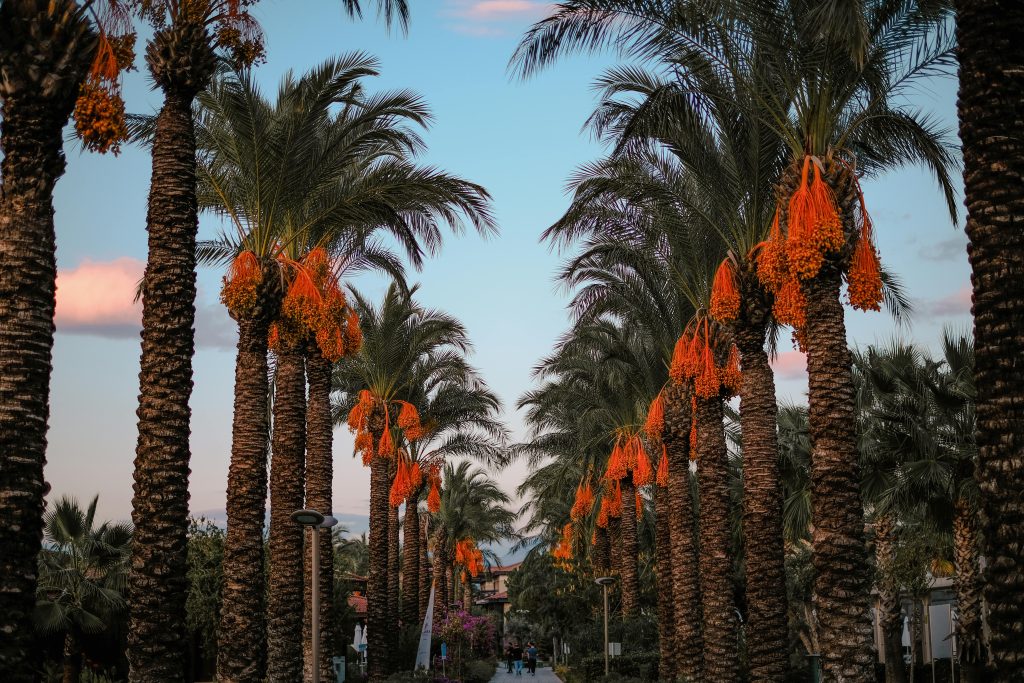
Iran’s rich agricultural heritage, dating back thousands of years, has always included a deep respect for nature and the environment. As one of the leading producers of dates globally, Iran has applied both traditional wisdom and modern innovations to create a sustainable approach to date farming. With growing concerns about climate change, resource conservation, and ecological balance, sustainable date farming has become more important than ever. This article explores how Iranian date farmers are blending tradition with modern practices to cultivate dates in a way that respects the land, water resources, and local communities.
________________________________________
The Importance of Sustainable Farming in the Date Industry
Date palms thrive in the arid climates of the Middle East, where water scarcity and high temperatures create unique challenges for sustainable farming. In response to these challenges, Iran has developed a range of sustainable practices that help conserve resources, protect biodiversity, and support local economies.
Key Principles of Sustainable Date Farming in Iran
• Efficient Water Management: Conservation of water resources through traditional and innovative techniques.
• Soil Conservation: Methods to maintain soil health and prevent erosion.
• Reduced Pesticide Use: Utilizing organic alternatives and integrated pest management.
• Community-Centered Practices: Supporting local farmers and communities in sustainable development.
Iran’s sustainable farming methods contribute not only to the quality of the dates but also to preserving the environment for future generations. Let’s take a closer look at how these practices are carried out in Iran.
________________________________________
1. Efficient Water Management: Addressing Water Scarcity
In Iran, where water scarcity is a major concern, date farmers have adopted water-saving techniques that reduce waste and make the most of available resources. These methods include traditional practices and newer innovations.
Traditional Water Management Techniques
• Qanat System: One of the oldest water management systems, the Qanat system uses underground tunnels to transport water from distant sources to the date palms. This method, which dates back over 3,000 years, allows for the gradual and sustainable delivery of water to arid regions, minimizing evaporation.
• Mulching and Shading: Iranian date farmers often use organic mulch and strategic shading to conserve moisture around the roots of date palms, reducing water evaporation.
Modern Irrigation Techniques
• Drip Irrigation: To complement traditional methods, many date farms in Iran use drip irrigation systems, which provide precise amounts of water directly to the roots. This technique can reduce water usage by up to 60% compared to traditional methods.
• Soil Moisture Sensors: Some farms employ soil moisture sensors that help determine the exact watering needs of the date palms, optimizing water use and preventing over-irrigation.
Key Takeaway: Combining ancient water management techniques with modern irrigation systems allows Iranian date farmers to conserve water efficiently, promoting both environmental sustainability and crop productivity.
________________________________________
2. Soil Conservation: Protecting the Foundation of Farming
Healthy soil is essential for producing quality dates. In Iran, sustainable farming practices emphasize soil conservation through organic methods, crop rotation, and other sustainable practices.
Organic Soil Enrichment
• Natural Fertilizers: Many Iranian date farms use organic compost and animal manure to enrich the soil, avoiding chemical fertilizers that can harm soil health over time.
• Intercropping with Legumes: Some farms practice intercropping, where nitrogen-fixing plants like legumes are grown alongside date palms. This practice naturally replenishes nitrogen in the soil, reducing the need for synthetic fertilizers.
Preventing Soil Erosion and Degradation
• Cover Crops and Mulching: Iranian farmers often use cover crops and organic mulch to prevent soil erosion, particularly in desert regions where soil degradation is a significant risk.
• Traditional Farming Practices: Many Iranian date farms avoid heavy machinery, relying on traditional farming tools that minimize soil compaction and disturbance.
Key Takeaway: By focusing on soil health through organic enrichment and traditional practices, Iranian date farms maintain fertile land that can sustain high-quality date production for generations.
________________________________________
3. Reduced Pesticide Use through Integrated Pest Management
Date palm cultivation is prone to pests, but Iranian farmers employ integrated pest management (IPM) to reduce reliance on chemical pesticides. IPM combines biological, mechanical, and minimal chemical methods to control pests sustainably.
Biological Pest Control
• Natural Predators: Some farms introduce beneficial insects that prey on date palm pests, helping to keep pest populations in check without chemicals.
• Botanical Pesticides: In cases where pest control is needed, farmers use natural or botanical pesticides, such as neem oil, that are safer for the environment and less harmful to beneficial insects.
Mechanical Control Methods
• Sticky Traps: Farmers place sticky traps around date palms to capture flying pests, reducing the need for pesticides.
• Pruning and Sanitation: Regular pruning and removal of damaged palm fronds help minimize pest habitats and reduce infestations.
Key Takeaway: Through integrated pest management, Iranian date farmers can effectively control pests while reducing the environmental impact of pesticides, ensuring healthier ecosystems.
________________________________________
4. Community-Centered Practices: Supporting Local Economies and Traditions
Iranian date farming is not just an industry—it’s a way of life for many communities. Sustainable farming practices in Iran focus on supporting local economies, preserving cultural traditions, and fostering social sustainability.
Fair Trade and Local Support
• Cooperative Farming: Many Iranian date farms operate as cooperatives, allowing local farmers to share resources, access better markets, and ensure fair wages for all members.
• Training and Education: Sustainable farming education programs are available for farmers, enabling them to learn and adopt eco-friendly practices that improve crop yields and environmental protection.
Preserving Cultural Heritage
Iranian date farming includes cultural traditions passed down through generations. By maintaining traditional practices alongside modern methods, Iranian date farmers preserve their heritage and contribute to cultural sustainability.
• Festivals and Local Markets: Local date harvest festivals and markets allow communities to celebrate their culture and showcase their produce to a broader audience.
• Crafting Traditional Products: Some farms also produce date-based products using traditional methods, such as date syrup and date paste, which are valued for their unique flavors and health benefits.
Key Takeaway: By promoting fair trade, cooperative farming, and cultural traditions, Iranian date farmers not only achieve economic sustainability but also strengthen their communities and cultural heritage.
________________________________________
5. Renewable Energy and Eco-Friendly Practices
Iranian date farms are increasingly turning to renewable energy and eco-friendly practices as part of their commitment to sustainability. Some farms harness solar energy for their operations, reducing their reliance on fossil fuels.
Renewable Energy for Sustainable Agriculture
• Solar Power: Many farms utilize solar panels to power irrigation systems, reducing greenhouse gas emissions and supporting Iran’s commitment to renewable energy.
• Bioenergy from Waste: Some farms convert organic waste into bioenergy, which can be used to power farm operations or as an additional source of income.
Eco-Friendly Packaging and Waste Reduction
• Biodegradable Packaging: Iranian date farms are starting to use biodegradable packaging for export markets, aligning with the global shift towards environmentally friendly products.
• Zero-Waste Initiatives: Waste from date farming, such as date pits and fronds, is repurposed for animal feed, compost, or crafting, minimizing waste and contributing to a circular economy.
Key Takeaway: Renewable energy and eco-friendly packaging help Iranian date farms reduce their carbon footprint and meet the growing consumer demand for sustainable products.
________________________________________
Conclusion
Sustainable date farming in Iran represents a unique blend of tradition and modernity, combining ancient practices with innovative technologies to create a more eco-friendly agricultural model. From efficient water management to soil conservation, pest control, and community-centered practices, Iranian date farms are leading the way in sustainable agriculture.
These practices not only preserve Iran’s environment but also strengthen the social and economic wellbeing of local communities. As global demand for sustainable products continues to grow, Iranian dates provide consumers with an ethical, environmentally friendly choice. For those looking to support sustainable agriculture, Iranian dates are a flavorful and nutritious way to contribute to a more sustainable world.
