
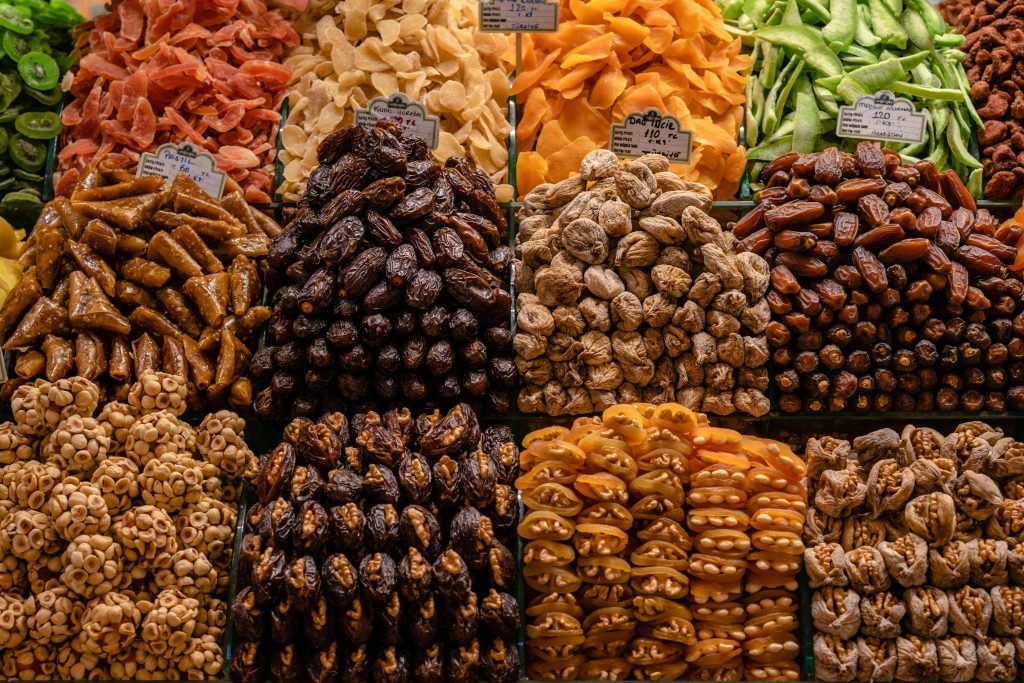
Iran, one of the largest producers and exporters of dates, plays a significant role in the global date industry. With a rich variety of premium dates and centuries-old farming practices, Iranian dates are steadily gaining traction in international markets. This article explores the trends, demand, and future potential of Iranian dates in global markets, offering insights into what makes them a preferred choice for consumers worldwide.
The Global Market for Dates
Dates, often considered a staple in Middle Eastern diets, are now gaining popularity globally due to their nutritional benefits and versatility. The growing demand is fueled by:
• Health Trends: Rising consumer interest in natural sweeteners and superfoods.
• Culinary Uses: Increased incorporation of dates in snacks, desserts, and beverages.
• Vegan and Plant-Based Diets: Dates are a natural choice for sweetening and binding in vegan recipes.
Iran’s Role in the Global Dates Market
1. Major Producer
Iran is one of the top three date-producing countries, with over one million tons of annual production. The country boasts diverse date varieties grown across its fertile regions, from Hormozgan to Kerman and Khuzestan.
2. Diverse Varieties
Iran offers more than 400 varieties of dates, catering to a wide range of consumer preferences. Some of the most sought-after varieties include:
• Mazafati: Known for its soft texture and caramel-like flavor, ideal for direct consumption.
• Piarom: A premium semi-dry date with a chewy texture and natural sweetness.
• Kabkab: Popular for its sticky texture and use in confectionery.
• Zahedi: A dry date, favored for cooking and industrial uses.
• Sayer (Stamaran): Semi-dry and export-friendly, often used in syrups and snacks.
3. Competitive Advantages
• Cost-Effectiveness: Iranian dates are competitively priced compared to other premium producers like Saudi Arabia and Tunisia.
• Superior Quality: Rigorous grading and packaging standards ensure premium products.
• Sustainability: Many Iranian date farms practice traditional, eco-friendly farming.
Key Export Markets for Iranian Dates
Iranian dates are exported to over 80 countries, with growing demand across continents:
1. Middle East and North Africa (MENA)
• Dates are a staple in the region, and Iranian varieties like Mazafati and Piarom are particularly popular.
• Major importers: UAE, Iraq, and Turkey.
2. Asia
• In India and Pakistan, dates are consumed year-round and used in religious rituals.
• Southeast Asia, including Malaysia and Indonesia, sees growing demand for dates during Ramadan.
3. Europe
• European consumers are drawn to organic and sustainably sourced dates.
• Markets like Germany, France, and the UK see Iranian dates as a healthier alternative to processed snacks.
4. North America
• The health-conscious population in the US and Canada favors dates for their natural sweetness and nutrient profile.
• Growing use of dates in vegan and gluten-free products is driving demand.
5. Emerging Markets
• Countries in South America and sub-Saharan Africa are showing increased interest in dates as imports rise.
Trends Driving Demand for Iranian Dates
1. Health and Wellness Movement
• Dates are recognized as a nutrient-dense superfood, rich in fiber, potassium, and antioxidants.
• Increased use of dates as a natural sugar substitute in health-focused snacks.
2. Growing Vegan and Plant-Based Diets
• Dates serve as a natural binding agent and sweetener in vegan recipes, from energy bars to desserts.
3. Demand for Organic Products
• Iranian farmers are increasingly adopting organic farming practices, appealing to eco-conscious consumers.
4. E-commerce Expansion
• The rise of online marketplaces has made premium Iranian dates more accessible to global consumers.
5. Increased Awareness of Iranian Varieties
• Exporters are actively marketing unique Iranian varieties like Piarom and Mazafati, differentiating them from competitors.
Challenges and Opportunities in the Global Market
Challenges
1. Trade Sanctions: Exporters face difficulties navigating trade restrictions and financial barriers.
2. Competition: Countries like Saudi Arabia and Tunisia dominate certain markets with established supply chains.
3. Logistics and Shelf Life: Ensuring freshness during long transit times is a challenge for soft dates like Mazafati.
Opportunities
1. Diversification: Iranian exporters can target niche markets with organic and sustainably sourced dates.
2. Value-Added Products: Expanding offerings to include date syrups, pastes, and snack bars.
3. Improved Branding: Highlighting the unique flavors and heritage of Iranian dates can enhance global appeal.
The Future of Iranian Dates in Global Markets
The future looks promising for Iranian dates, with rising consumer awareness and a steady demand for healthy, natural foods. Key strategies to boost exports include:
• Improved Marketing: Leveraging digital platforms to promote Iranian dates to a global audience.
• Quality Assurance: Enhancing grading and certification to build trust among international buyers.
• Sustainability Focus: Highlighting eco-friendly farming practices to align with global trends.
Why Choose Iranian Dates?
Iranian dates stand out for their:
• Diversity: Over 400 varieties to suit different tastes and uses.
• Premium Quality: Rigorous grading and packaging standards.
• Cultural Heritage: Dates are deeply rooted in Persian culture and tradition.
Conclusion
Iranian dates are a rising star in the global market, offering unparalleled diversity, quality, and affordability. As trends favor natural, nutritious foods, the demand for Iranian dates continues to grow across continents. With strategic marketing, sustainable practices, and value-added innovations, Iran is well-positioned to strengthen its foothold in international markets.
For consumers and businesses alike, choosing Iranian dates means embracing a product rich in flavor, tradition, and health benefits—a true gem in the world of dates.
