
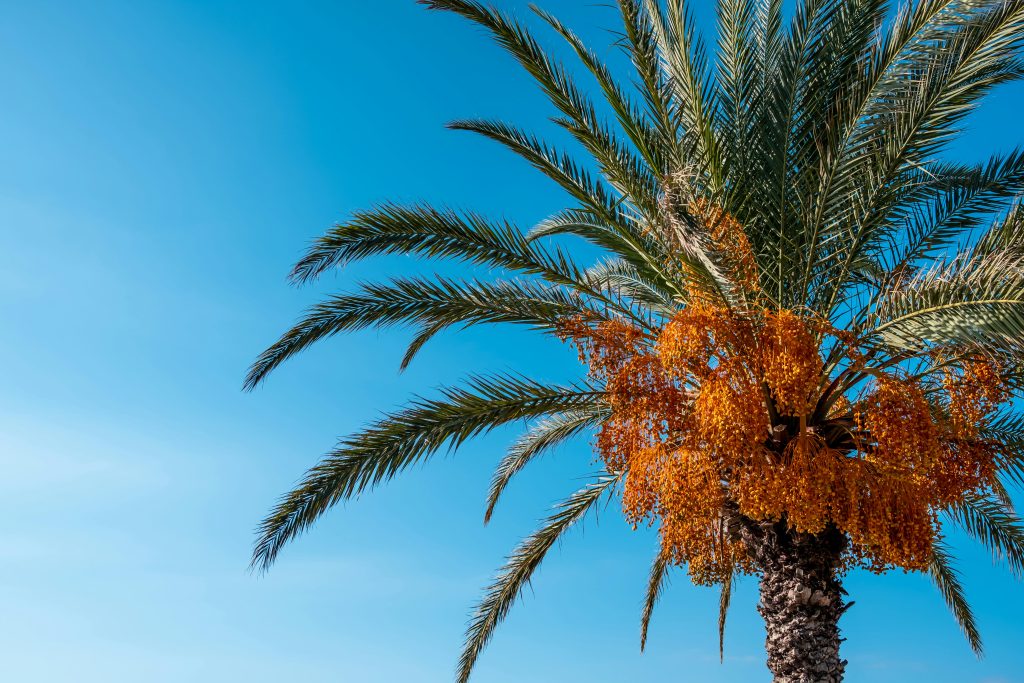
Iranian dates are celebrated worldwide for their exceptional flavor, texture, and nutritional value. What makes these dates stand out from others? The answer lies in Iran’s unique combination of climate and soil conditions. This article explores the environmental factors that contribute to the unparalleled quality of Iranian dates and why they are among the finest in the world.
The Significance of Environmental Factors in Date Farming
Dates, like any agricultural product, are deeply influenced by the conditions in which they grow. These include:
• Climate: Temperature, sunlight, and rainfall play a pivotal role in the growth cycle of date palms.
• Soil Composition: Nutrient-rich and well-drained soil enhances the quality and yield of dates.
• Water Availability: Access to water, particularly from underground aquifers, sustains date palms in arid regions.
Iran’s unique blend of these factors creates an environment perfectly suited for date cultivation.
Iran’s Date-Producing Regions: A Geographical Overview
Iran is home to vast date plantations, primarily in its southern regions. Provinces such as Kerman, Hormozgan, Khuzestan, Sistan and Baluchestan, and Bushehr are renowned for their date production. These areas share certain environmental characteristics that contribute to their success in growing high-quality dates.
Climate’s Role in Iranian Date Production
1. Warm Temperatures and Long Growing Seasons
• Ideal Temperature Range: Date palms thrive in hot climates, requiring temperatures between 25°C and 45°C (77°F and 113°F) for optimal growth.
• Extended Ripening Period: Iran’s long summers allow dates to ripen fully, developing their characteristic sweetness and texture.
• Low Nighttime Temperatures: Cooler nights enhance the natural sugar content of dates, making them sweeter and more flavorful.
2. Abundant Sunshine
Iran receives an average of 300 days of sunshine annually, providing the light intensity necessary for photosynthesis. This ensures:
• Proper fruit development.
• Enhanced sugar accumulation in the dates.
3. Low Rainfall and Arid Conditions
• Dates are well-adapted to arid environments, and Iran’s low annual rainfall prevents issues like fungal growth or spoilage during the ripening period.
• The dry climate also reduces the need for chemical treatments, resulting in cleaner, more natural dates.
The Role of Soil in Enhancing Date Quality
1. Nutrient-Rich Soil
• Iranian date-producing regions benefit from alluvial soils, rich in essential minerals like potassium, magnesium, and calcium, which are vital for date palm health and fruit quality.
• The natural fertility of these soils contributes to the robust flavor and texture of Iranian dates.
2. Sandy-Loam Texture
• Date palms thrive in sandy-loam soils that provide:
o Good Drainage: Prevents waterlogging, which can damage the roots.
o Aeration: Ensures oxygen reaches the roots for healthy growth.
3. Salinity Tolerance
• Many of Iran’s soils are naturally saline, and date palms are uniquely suited to these conditions. The ability of Iranian date varieties to thrive in saline soils sets them apart from other global producers.
Water: The Lifeline of Date Palms
1. Traditional Irrigation Techniques
• Iran has long relied on qanats (underground irrigation channels) to provide a steady water supply in arid regions.
• These sustainable methods minimize water wastage while ensuring consistent hydration for date palms.
2. Groundwater Reserves
• Many date plantations in Iran draw water from underground aquifers, rich in minerals that nourish the palms.
How Climate and Soil Influence the Quality of Popular Iranian Date Varieties
1. Mazafati Dates
• Climate Impact: Grown in Bam (Kerman Province), the warm, dry climate ensures their soft, caramel-like texture.
• Soil Impact: Sandy soils provide the perfect balance of moisture and aeration, enhancing their rich flavor.
2. Piarom Dates
• Climate Impact: The hot and sunny conditions of Hormozgan Province allow for the development of their chewy, semi-dry texture and distinct sweetness.
• Soil Impact: Saline-tolerant soils give Piarom dates their unique mineral-rich profile.
3. Zahedi Dates
• Climate Impact: Thrives in arid regions like Bushehr, resulting in their dry texture and extended shelf life.
• Soil Impact: Nutrient-rich soils contribute to their golden color and mildly sweet taste.
Sustainability in Iranian Date Farming
Iran’s traditional farming practices emphasize harmony with nature, ensuring long-term sustainability.
• Minimal Chemical Use: The naturally arid climate reduces the need for pesticides.
• Soil Conservation: Farmers rotate crops or leave fields fallow to maintain soil health.
• Water Management: Qanat systems and drip irrigation minimize water usage while maintaining productivity.
Why Climate and Soil Make Iranian Dates Unparalleled
Iranian dates owe their superior quality to a perfect marriage of nature and tradition. The country’s:
1. Optimal Climate: Warm temperatures, abundant sunshine, and arid conditions.
2. Fertile Soils: Nutrient-rich and well-drained, suited to diverse date varieties.
3. Sustainable Farming: Time-tested practices that preserve the environment.
Together, these factors create dates that are not only delicious but also rich in nutrients like fiber, potassium, and antioxidants.
Tips for Consumers
To fully appreciate the quality of Iranian dates, consider the following:
• Buy from Reputable Sources: Ensure the dates are grown in regions known for premium production.
• Check Labels: Look for certifications that indicate proper grading and organic farming.
• Store Properly: Follow best storage practices to maintain their freshness and flavor.
Conclusion
The quality of Iranian dates is no accident; it is the result of a unique interplay between Iran’s climate, soil, and agricultural traditions. From the soft and luscious Mazafati to the semi-dry and mineral-rich Piarom, every date variety reflects the region’s natural bounty.
For consumers and businesses alike, choosing Iranian dates means enjoying a product that combines centuries of expertise with the finest environmental conditions. Whether for snacking, cooking, or gifting, Iranian dates offer a taste of nature’s perfection.
