
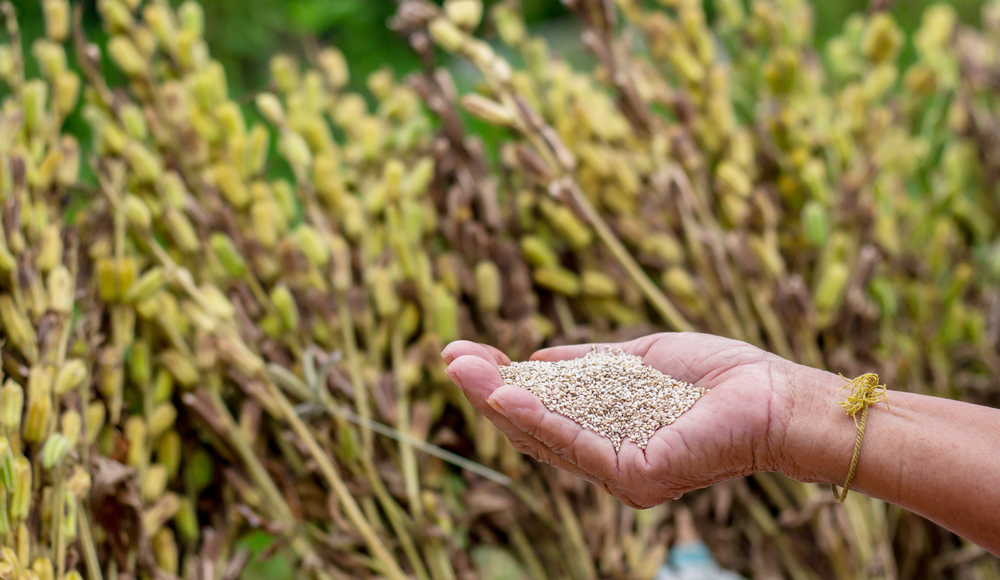
Sesame seeds are tiny, oil-rich seeds that grow in pods on the Sesamum indicum plant.
Unhulled seeds have the outer, edible husk intact, while hulled seeds come without the husk.
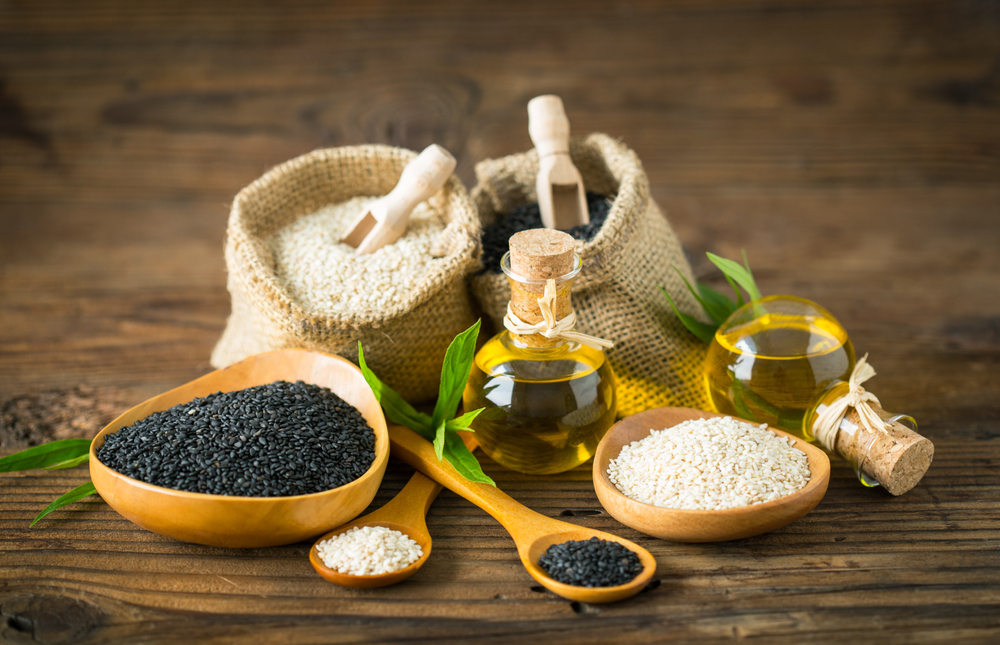
The hull gives the seeds a golden-brown hue. Hulled seeds have an off-white color but turn brown when roasted.
Sesame seeds have many potential health benefits and have been used in folk medicine for thousands of years. They may protect against heart disease, diabetes, and arthritis.
However, you may need to eat significant amounts — a small handful per day — to gain health benefits.
Here are 15 health benefits of sesame seeds.
A 3-tablespoon (30-gram) serving of sesame seeds supplies 12% of the RDI for fiber, which is vital for your digestive health.
Sesame seeds may help reduce heart disease risk factors, including elevated triglyceride and “bad” LDL cholesterol levels.

Sesame seeds — particularly hulled ones — are a good source of protein, which is a necessary building block for your body.
Sesame seeds are high in magnesium, which may help lower blood pressure. Additionally, their antioxidants may help prevent plaque buildup.
Unhulled sesame seeds are especially rich in nutrients vital to bone health, including calcium. Soaking, roasting, or sprouting sesame seeds can improve absorption of these minerals.
Preliminary research suggests that sesame seeds and their oil may have anti-inflammatory properties.
Sesame seeds are a good source of thiamine, niacin, and vitamin B6, which are necessary for proper cellular function and metabolism.
Sesame seeds supply iron, copper, and vitamin B6, which are needed for blood cell formation and function.
Sesame seeds may aid blood sugar control because they’re low in carbs and high in quality protein and healthy fats. What’s more, they contain a plant compound that may help in this regard.
Plant compounds and vitamin E in sesame seeds function as antioxidants, which combat oxidative stress in your body.
Sesame seeds are a good source of several nutrients that are important for immune system function, including zinc, selenium, copper, iron, vitamin B6, and vitamin E.
Sesamin, a compound in sesame seeds, may help reduce joint pain and support mobility in arthritis of the knee.
Sesame seeds are good sources of nutrients — such as selenium, iron, copper, zinc, and vitamin B6 — that support thyroid health.
Phytoestrogens are compounds found in sesame seeds that may benefit women who are undergoing menopause.
Sesame seeds can perk up many dishes, including salads, granola, baked goods, and stir-fries. Tahini and sesame flour are other products made out of sesame seeds.
The source of the article:
15 Health and Nutrition Benefits of Sesame Seeds (healthline.com)
