
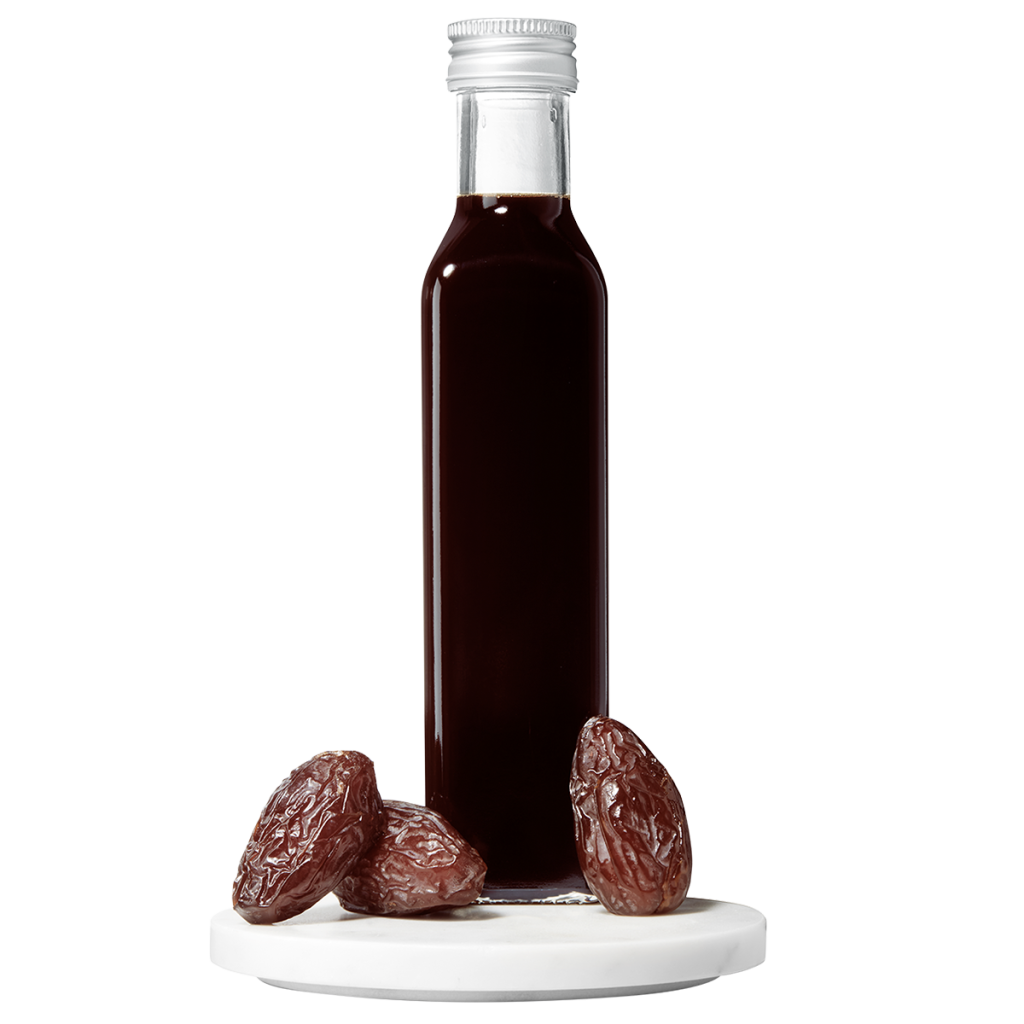
Dates balsamic vinegar is an exquisite product that combines the natural sweetness of dates with the tangy depth of vinegar. Beyond its culinary appeal, the production of dates balsamic vinegar represents a remarkable example of sustainability, as it transforms an abundant fruit into a versatile condiment while minimizing waste.
In this article, we’ll explore the journey from dates to balsamic vinegar, highlighting the production process and the environmental benefits of this sustainable approach.
1. The Origins of Dates Balsamic Vinegar
Dates balsamic vinegar has roots in traditional practices where surplus dates were fermented to create vinegar. Today, it stands as a modern culinary staple with a commitment to eco-friendly production.
2. The Sustainable Production Process
Step 1: Harvesting Dates
The process begins with the careful selection of ripe, high-quality dates. Surplus or slightly misshapen dates, which might not meet the criteria for fresh market sale, are often repurposed for vinegar production. This reduces food waste and adds value to the entire harvest.
Step 2: Extracting Juice
The dates are soaked and pressed to extract their sweet juice. This step minimizes waste by using every part of the fruit, including the pulp, which can be repurposed as livestock feed or compost.
Step 3: Fermentation
The extracted juice undergoes a natural fermentation process where sugars are converted into alcohol and then acetic acid, giving vinegar its distinct tangy flavor. This fermentation process is powered by natural yeasts and bacteria, eliminating the need for artificial additives.
Step 4: Aging
The vinegar is aged in barrels to develop its complex flavor profile. During this time, the rich sweetness of dates melds with the acidity of vinegar, creating a balanced and luxurious product. Aging in sustainable, reusable barrels further enhances the eco-friendly nature of the process.
Step 5: Bottling and Packaging
Dates balsamic vinegar is typically bottled in recyclable glass containers to reduce environmental impact. Sustainable branding often highlights the eco-conscious production methods.
3. Environmental Benefits of Dates Balsamic Vinegar Production
Minimizing Food Waste
The process makes use of surplus dates, ensuring that no edible fruit goes to waste. By utilizing less marketable dates, producers support a zero-waste approach.
Low Carbon Footprint
Date farming requires minimal water compared to other crops, and dates themselves are often grown in arid regions, making their cultivation naturally sustainable. The vinegar production process further enhances this by relying on natural fermentation methods, which require less energy than industrial processes.
Promoting Soil Health
The by-products of vinegar production, such as date pulp, can be composted to enrich the soil. This creates a circular agricultural system that benefits the environment.
Sustainable Packaging
Many producers of dates balsamic vinegar prioritize eco-friendly packaging, reducing plastic use and opting for glass or biodegradable materials.
4. The Unique Flavor and Versatility of Dates Balsamic Vinegar
Dates balsamic vinegar offers a unique flavor profile that combines the natural sweetness of dates with the tangy depth of traditional balsamic vinegar.
Popular Culinary Uses:
• Salads: Drizzle over greens for a sophisticated dressing.
• Meat and Poultry: Use as a marinade or glaze for added richness.
• Cheese Platters: Pair with cheeses for a sweet-tart contrast.
• Cocktails: Mix into drinks for a unique, fruity acidity.
Its versatility ensures that every drop is used, further reinforcing its sustainable appeal.
5. Supporting Local Communities
The production of dates balsamic vinegar often involves small-scale farmers and artisans, particularly in regions like the Middle East and North Africa. Supporting these products helps sustain local economies and preserves traditional knowledge.
6. Why Choose Dates Balsamic Vinegar?
Health Benefits:
• Rich in Antioxidants: Supports overall health and fights inflammation.
• Natural Sweetener: A healthier alternative to sugar-based condiments.
• Low Glycemic Index: Suitable for individuals managing blood sugar levels.
Sustainability:
By choosing dates balsamic vinegar, consumers contribute to eco-friendly practices and support products that align with global sustainability goals.
Conclusion
Dates balsamic vinegar is more than a culinary delight; it’s a testament to sustainable agriculture and innovation. From repurposing surplus dates to creating a versatile and healthful product, the journey of dates balsamic vinegar showcases how tradition meets modern sustainability.
Incorporate dates balsamic vinegar into your meals and celebrate a product that’s as good for the planet as it is for your palate.
