
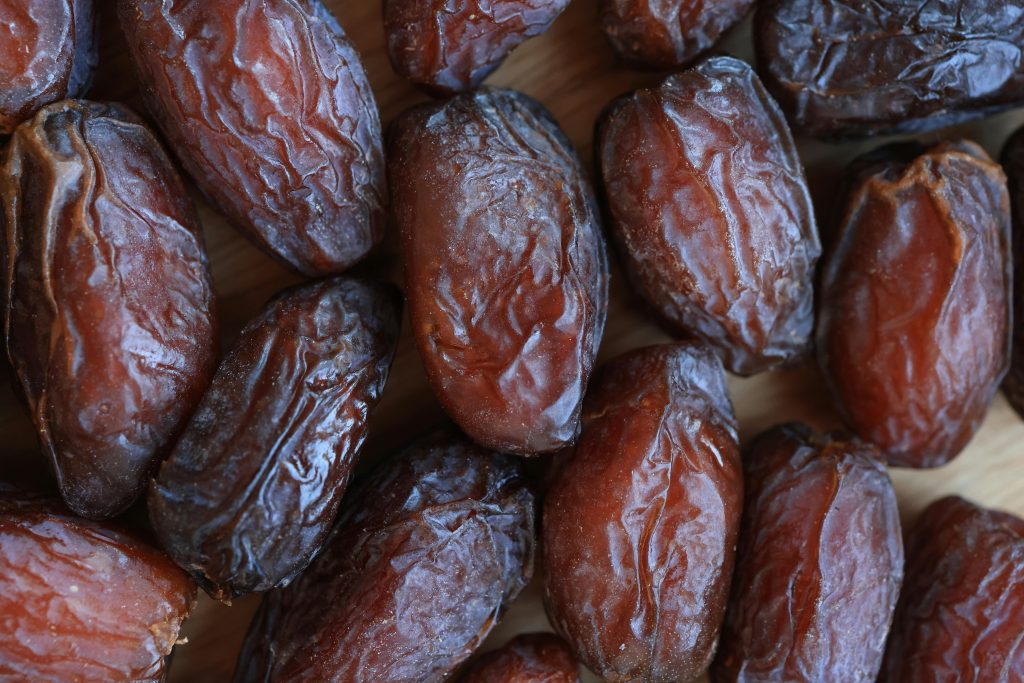
Dates, often referred to as “nature’s candy,” come in various textures, flavors, and types. Among the most popular are semi-dry dates and soft dates, each offering distinct characteristics and benefits. Choosing the right type depends on your taste preferences, culinary needs, and nutritional goals. This comprehensive guide explores the differences between semi-dry and soft dates, helping you determine which type is perfect for you.
Understanding Semi-Dry and Soft Dates
Semi-Dry Dates
Semi-dry dates are a middle ground between soft and fully dry varieties. These dates are known for their firm texture and extended shelf life.
Key Features
• Texture: Firm yet slightly chewy.
• Sweetness: Moderately sweet with a balanced flavor profile.
• Moisture Content: Lower than soft dates, making them less sticky.
• Examples:
o Sayer: Mildly sweet with a hint of caramel.
o Deglet Noor: Often called the “queen of dates” for its golden hue and versatility.
Soft Dates
Soft dates are prized for their moist, tender texture and intense sweetness. They are perfect for snacking and recipes that require a natural sweetener.
Key Features
• Texture: Silky and melt-in-your-mouth.
• Sweetness: Very sweet with a rich, caramel-like flavor.
• Moisture Content: High, making them sticky and luscious.
• Examples:
o Mazafati: Luxuriously soft with a deep black color.
o Medjool: Large and juicy with a honey-like sweetness.
Nutritional Differences
While both semi-dry and soft dates are highly nutritious, there are subtle variations in their nutritional profiles:
| Nutrient | Semi-Dry Dates | Soft Dates |
|---|---|---|
| Calories | Lower due to reduced moisture content. | Slightly higher because of natural sugars. |
| Fiber | Higher fiber content, aiding digestion. | Moderate fiber, but softer texture aids in easy digestion. |
| Natural Sugars | Less concentrated, suitable for controlled sweetness. | Richer in natural sugars for energy. |
| Shelf Life | Longer due to lower moisture. | Shorter, requiring refrigeration. |
Choosing the Right Date for Your Needs
1. For Snacking
• Best Option: Soft Dates
o Their sweet, juicy nature makes them perfect for enjoying straight out of the package.
2. For Cooking and Baking
• Best Option: Soft Dates
o Ideal for blending into smoothies, desserts, and sauces due to their moist texture.
3. For Long-Term Storage
• Best Option: Semi-Dry Dates
o Their lower moisture content ensures they remain fresh longer, even without refrigeration.
4. For Portability
• Best Option: Semi-Dry Dates
o Their firmer texture makes them less prone to squishing, making them great for on-the-go snacks.
5. For Health-Conscious Consumers
• Best Option: Semi-Dry Dates
o Their moderate sweetness and higher fiber content make them suitable for controlled portions.
Culinary Applications
Soft Dates in Recipes
Soft dates shine in recipes requiring a natural sweetener or a creamy texture:
• Smoothies: Blend soft dates with almond milk and bananas for a rich, nutritious drink.
• Desserts: Use in date-based energy balls, cakes, or puddings.
• Spreads: Mash into a paste for toast toppings or fillings.
Semi-Dry Dates in Recipes
Semi-dry dates are versatile for savory and sweet dishes:
• Stuffed Dates: Fill with nuts or cheese for an elegant appetizer.
• Baking: Chop and mix into bread, muffins, or granola for added texture.
• Stews: Add to tagines or Middle Eastern dishes for a subtle sweetness.
Storage and Maintenance
Soft Dates
• Storage Tips:
o Keep in an airtight container in the refrigerator.
o For longer storage, freeze in sealed bags.
• Shelf Life: Around 6 months refrigerated, up to 12 months frozen.
Semi-Dry Dates
• Storage Tips:
o Store in a cool, dry place in a sealed container.
o No refrigeration needed unless in humid climates.
• Shelf Life: Up to 12 months or longer if properly stored.
Cultural Significance
Soft Dates in Persian Culture
Soft dates like Mazafati are deeply woven into Persian traditions. They are often served during religious celebrations, alongside tea, or in traditional desserts like Ranginak.
Semi-Dry Dates in Global Cuisine
Semi-dry varieties like Sayer are widely used in international markets, thanks to their export-friendly nature and adaptability in a range of dishes.
Why Both Types Deserve a Place in Your Pantry
While soft dates excel in sweetness and texture, semi-dry dates provide versatility and convenience. Incorporating both into your pantry ensures you’ll always have the perfect date for any occasion—whether it’s a quick snack, a special recipe, or a health boost.
Conclusion
Choosing between semi-dry and soft dates depends on your personal preferences, culinary needs, and lifestyle. Both types offer unique flavors, textures, and benefits, making them valuable additions to any diet.
From the creamy indulgence of Mazafati dates to the firm versatility of Sayer dates, there’s a perfect date for everyone. Explore the world of Iranian dates and discover which type best suits your taste and lifestyle.
